2 hr
Night Turtle Observation with Naturalist Guide
Watch sea turtles nesting on a protected Pacific beach under expert guidance after dark
Reserve
Witness ancient migrations under moonlight, guided by certified naturalists along protected shores
Hand-picked by our editors — only the best 7 turtle-watching experiences from 23 reviewed
Verified partners for Tamarindo Turtle tours, free cancellation where available, and instant confirmation on every booking.
2 hr
Watch sea turtles nesting on a protected Pacific beach under expert guidance after dark
Reserve
4 hr
Watch sea turtles nest or hatch on a secluded Costa Rican beach during a guided nighttime wildlife encounter
Reserve
4 hr 30 min
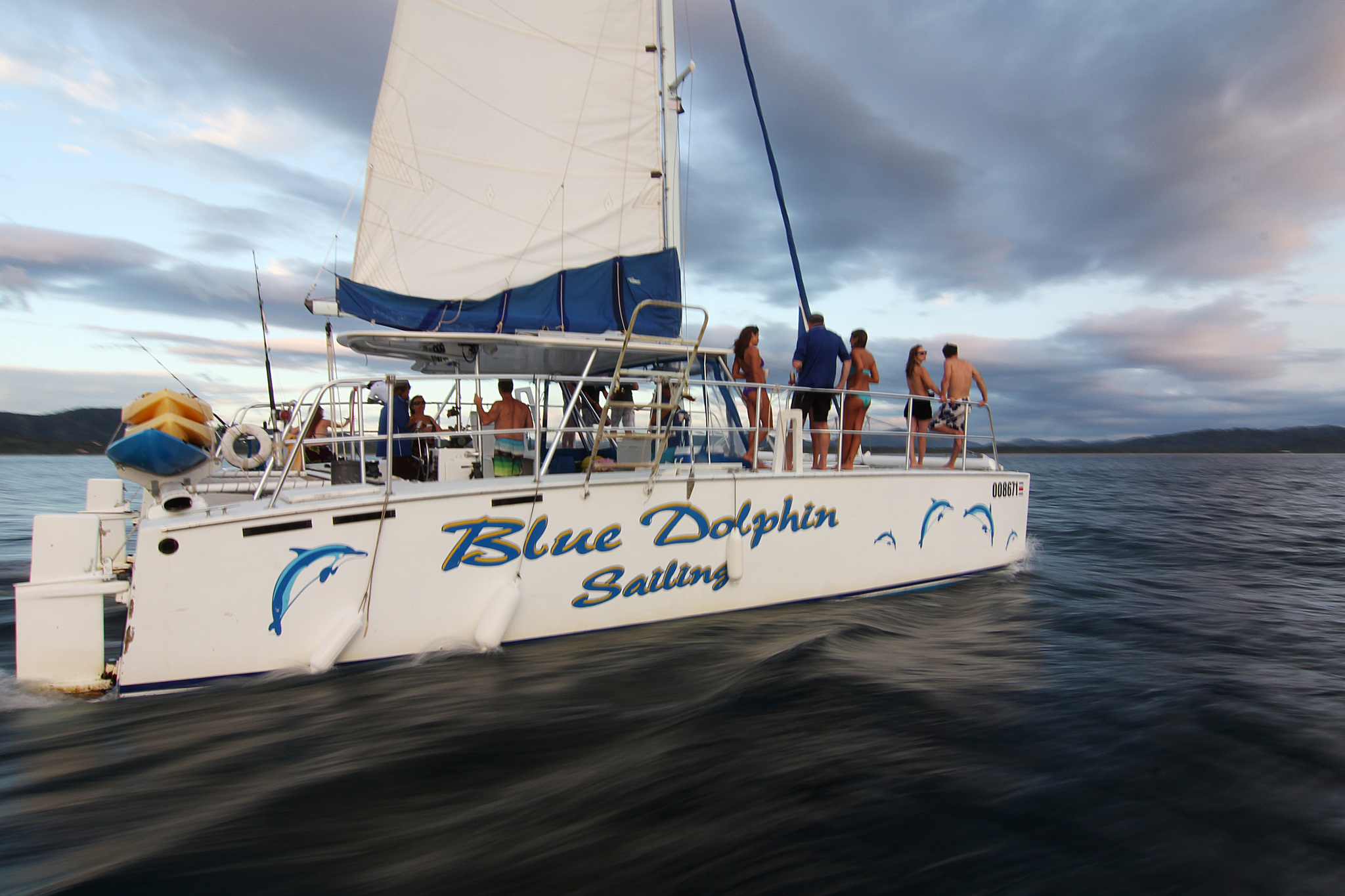
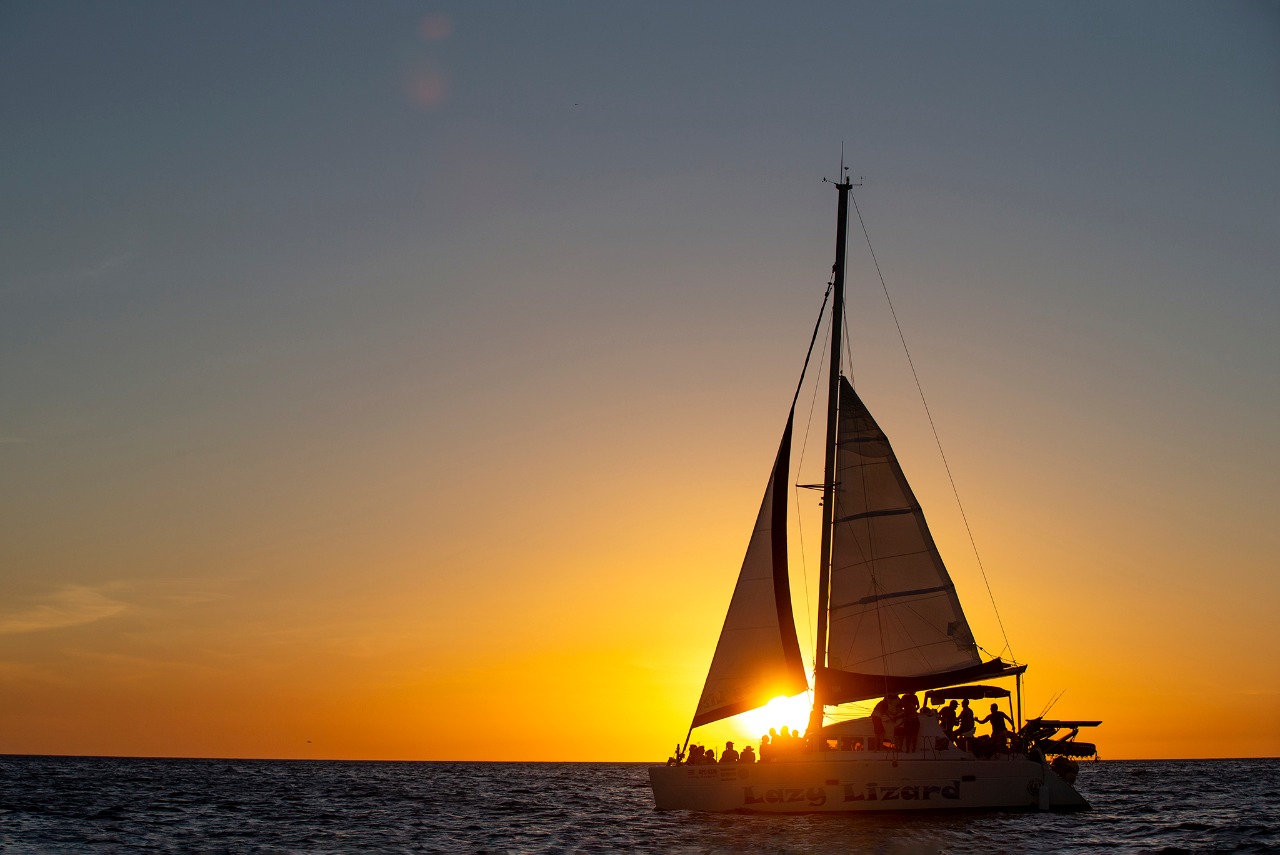
Half-day catamaran cruise with snorkeling, paddleboarding, fresh lunch, and sunset cocktails
ReservePrices from verified partners. Availability updates in real time at checkout. Free cancellation policies apply where shown.
Every Tamarindo Turtle tour side-by-side — duration, what's included, how you redeem.
| Experience | Duration | Rating | Transfers | Lunch | Guide | Free cancel. | Price | |
|---|---|---|---|---|---|---|---|---|
|
Standard Entry Most popular
Night Turtle Observation with Naturalist Guide
|
2 hr | ★ 4.6 | ✓ | — | — | ✓ | €64 | Book → |
|
Standard Entry
Sea Turtle Nesting & Hatching Experience
|
4 hr | ★ 4.9 | — | — | ✓ | ✓ | €56 | Book → |
|
Standard Entry
Tamarindo Catamaran Sailing Adventure
|
4 hr 30 min | ★ 4.5 | — | ✓ | — | ✓ | €90 | Book → |
All prices from verified partners. Availability and exact terms confirmed at checkout.
Private operators provide flexible convenience, whereas park-led outings prioritize strict biological integrity; travelers seeking the most authentic leatherback sighting often prefer the formal national park protocol.
| Feature | Top pick Tamarindo Turtle Tours | Las Baulas Guided Excursions |
|---|---|---|
Guided accessibility |
Private operator booking | Official park ranger lead |
Conservation focus |
General wildlife education | Strict habitat protection |
Proximity to Tamarindo |
Direct local departure | Short drive required |
Regulation strictness |
Moderate site enforcement | High protocol compliance |
Group size limits |
Typically smaller groups | Strictly capped by park |
Primary nesting species |
Leatherback and olive ridley | Leatherback focus |
| See tickets → |
Verdict: Those needing flexible tamarindo turtle tours tickets should choose private services, while visitors prioritizing environmental regulation should book the formal park-sanctioned tamarindo turtle tours tour, as these tamarindo turtle tours tours are vital for local research.
Choose your ticket, select your date, and reserve in under two minutes. Secure checkout handled by our verified partner.
Instant confirmation by email, with a mobile voucher you can save offline. No printing, no queuing at a collection desk.
Arrive at the entrance, show your voucher on your phone, and walk in. Most tickets include priority or skip-the-line access.
Practical details for Tamarindo Turtle tickets straight from our verified partners — hours, access, rules, and how to get there.
Tamarindo, Guanacaste
Look for your guide holding a branded sign
Open in Google MapsPark in public lots near the beach entrance before 17:30 to avoid congestion
Request a drop-off at the main Tamarindo coastal access point
Wear dark-colored, comfortable clothing that covers arms and legs to blend into the darkness. Avoid bright colors and reflective materials that may disturb the nesting sea turtles.
Keep personal belongings to a minimum to ensure agility on sandy terrain. Security is managed by individual guides who ensure compliance with local wildlife protection laws.
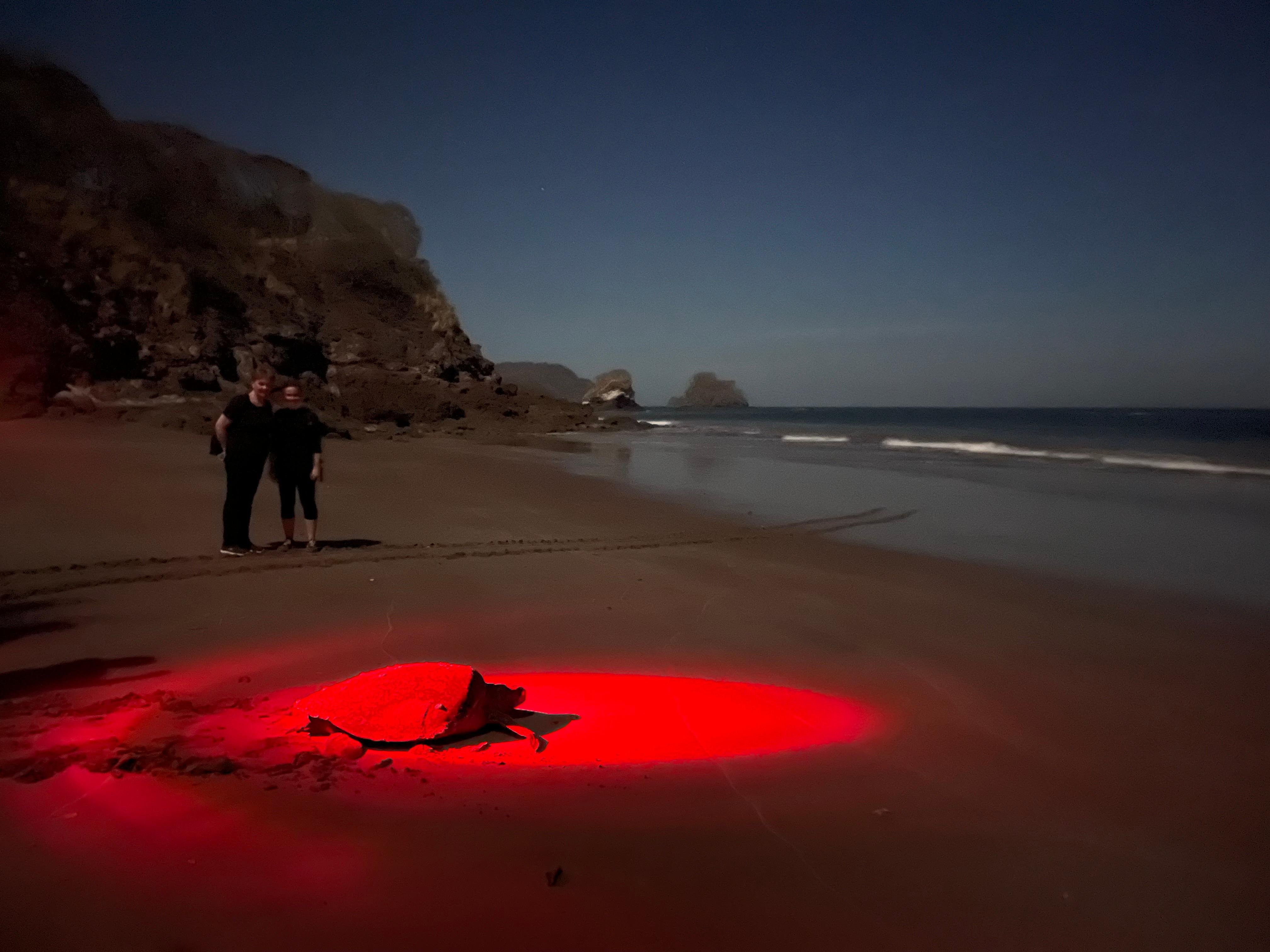
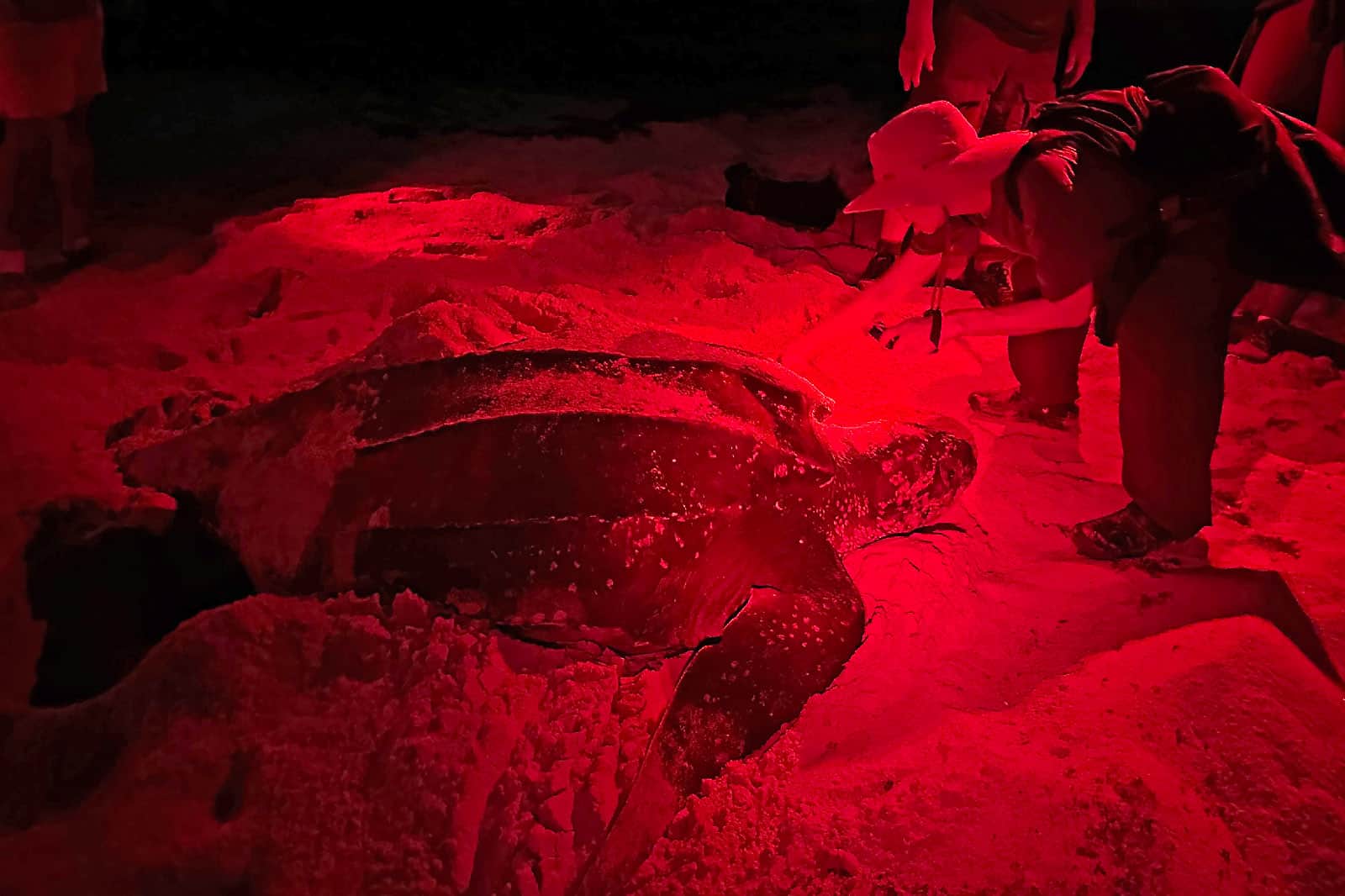
Flash photography and artificial white lights are strictly prohibited during all tamarindo turtle tours. Use red-filtered lights only if permitted by your certified guide.
Navigating the shoreline during these wildlife excursions requires walking on soft, uneven sand in low-light conditions. Participants should be comfortable walking for extended periods in the dark.
Mobile phones must be kept on silent mode with screen brightness dimmed to the lowest setting. Refrain from using phone screens near the turtles to avoid light pollution.
Children are welcome on many tamarindo turtle tours provided they can maintain silence and follow strict behavioral guidelines. Check specific operator age minimums before booking your family excursion.
Consumption of food and beverages is not permitted while on the beach near nesting sites. Finish all refreshments before departing for your night turtle observation.
Pets are not allowed on any turtle nesting excursions to protect the wildlife habitat. Local regulations strictly enforce no-pet policies on beach areas during nesting hours.
All visitors must hire a certified local guide for these coastal conservation tours. Always maintain a respectful distance from the animals as directed by your tour leader.
Tamarindo, Guanacaste
Look for your guide holding a branded sign
Get directionsBest time to go, insider tips, nearby landmarks, and the cancellation fine print — flip through to skim what matters to you.
How crowds, weather, and events shift across the year.
August offers warm nights but lower turtle activity compared to the peak nesting season. Temperatures remain around 28°C on average.
Late year months mark the beginning of the nesting season for several sea turtle species. This is the busiest time for local nature excursions.
The arrival window of 17:30–20:00 is most critical during the primary nesting months of November to March. Expect higher demand for private guides during this period.
Small details that turn a good visit into a great one.
Reserve your excursions well in advance, especially during the high season nesting months. Spaces on small-group departures fill up quickly.
Follow all instructions provided by your guide regarding noise levels. Silence is essential for successful sightings.
Drink plenty of water throughout the day before your evening walk. Temperatures can remain quite warm into the night.
Avoid flip-flops for the beach walk as the terrain can be unpredictable. Closed-toe shoes are recommended for comfort.
Nesting activity is often influenced by moon phases and tide levels. Ask your local operator about the best conditions for your specific visit date.
Non-bookable sights within a short walk — free to visit, easy to pair.
A complex mangrove system hosting diverse bird and aquatic life.
A quieter beach adjacent to the main town known for surfing.
A protected area critical for leatherback turtle nesting sites.
Flexible, no hidden fees.
Most private operators require cancellation at least 24 to 48 hours in advance for a full refund. Tours operate independently of the 0 USD entrance fee for the public beach access.
Hand-picked options within walking distance — pick a district for vibe, or a specific hotel for convenience.
High-end stays located directly on the beachfront.
Sustainable accommodation options focusing on local ecology.
Central area with various mid-range and budget options.
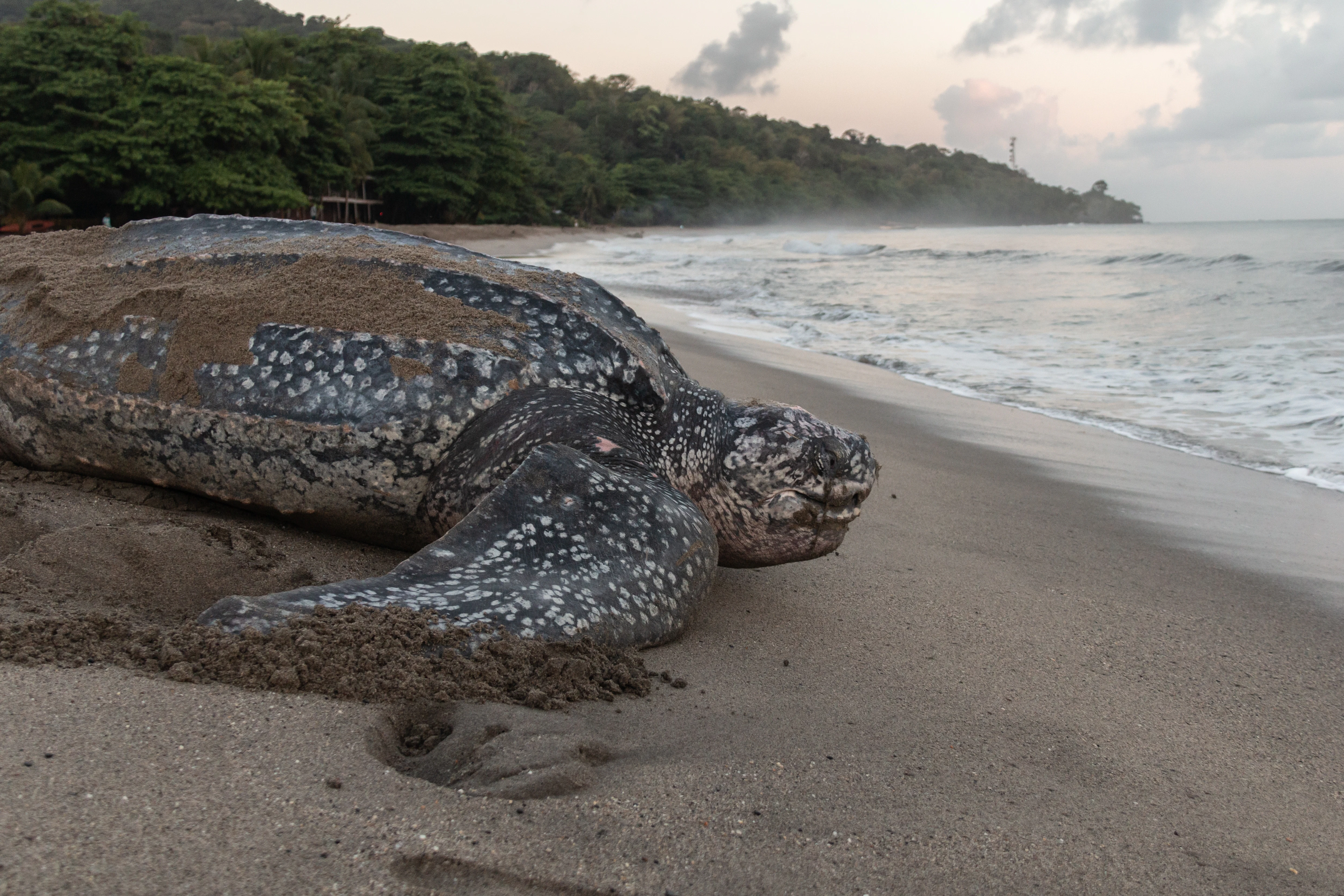
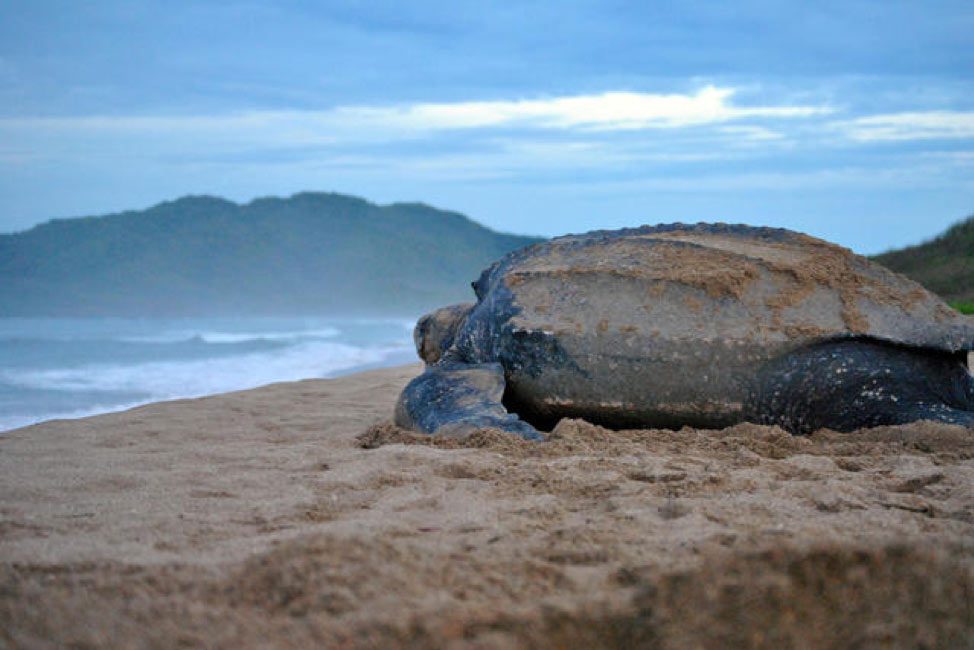
Leatherback sea turtles — Dermochelys coriacea, the largest reptile on Earth — have nested on the beaches north of Tamarindo for more than 100 million years, outliving the dinosaurs and traversing oceanic routes that predate the Panama land bridge.
Each October through March, female leatherbacks weighing up to 900 kilograms return to the same stretches of sand where they themselves hatched decades earlier, guided by magnetic fields and lunar cycles science still struggles to decode. Playa Grande, the crescent of volcanic sand directly adjacent to Tamarindo, anchors Las Baulas National Marine Park, established in 1991 to protect the most important leatherback rookery along the Eastern Pacific. By the early 1990s, poaching and beachfront development had pushed local nesting numbers below 200 females per season; today, strict nocturnal access controls and a mandatory guide system have stabilized the population, with certified naturalists escorting small groups under red-filtered headlamps to minimize disturbance.
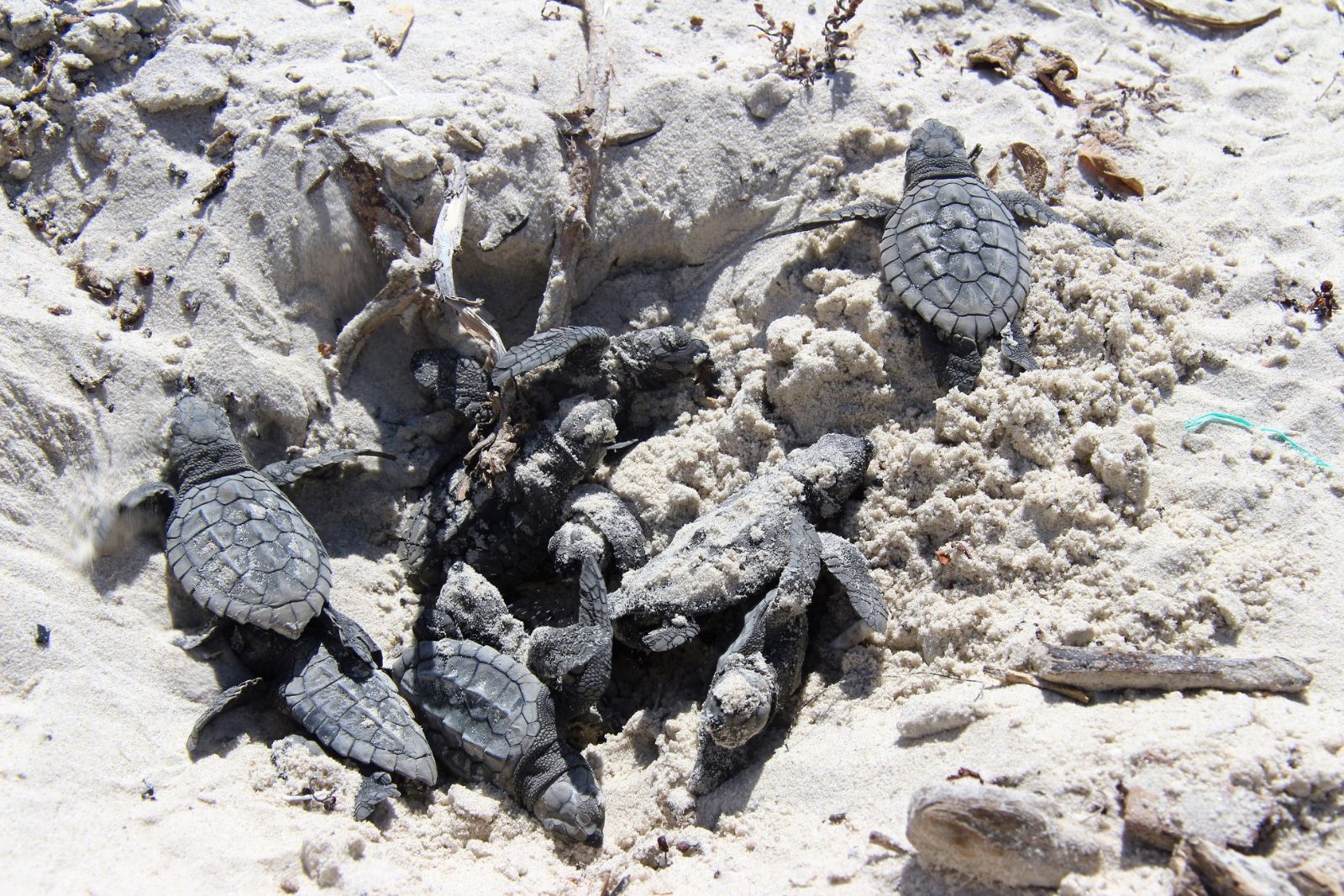
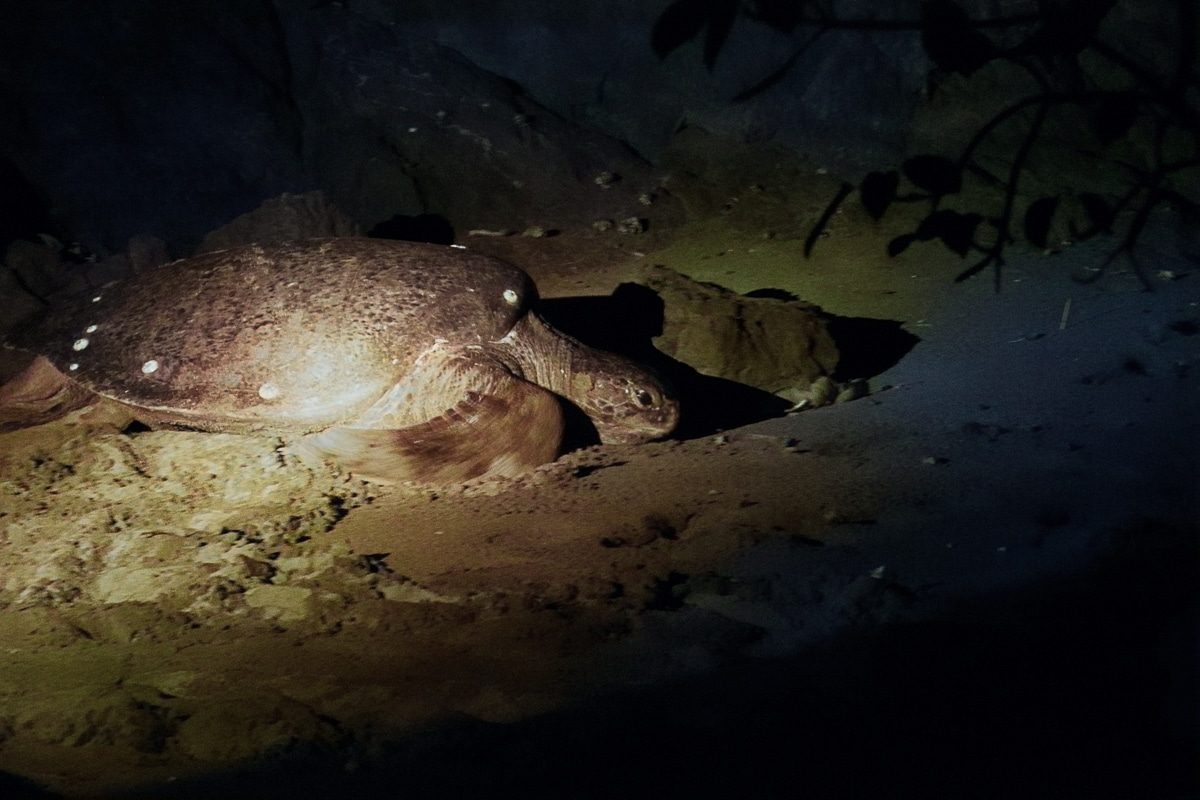
Tamarindo turtle tours operate under protocols refined over three decades of conservation research. Access to the nesting beaches is permitted only between sunset and midnight during peak season, and visitors must register with accredited operators who hold permits from the park authority. Guides trained in herpetology and marine biology lead groups of no more than fifteen, timing arrivals to coincide with high-tide nesting windows when females emerge from the surf to excavate egg chambers above the debris line. The nesting process — a two-hour ritual of digging, oviposition, and camouflage — unfolds in silence, punctuated only by the rasp of flippers against sand and the guide's whispered commentary on clutch size, shell scarring, and satellite tagging. Olive ridley turtles, smaller and more numerous, nest year-round on the southern stretches near Playa Langosta, offering sightings even outside the leatherback calendar.
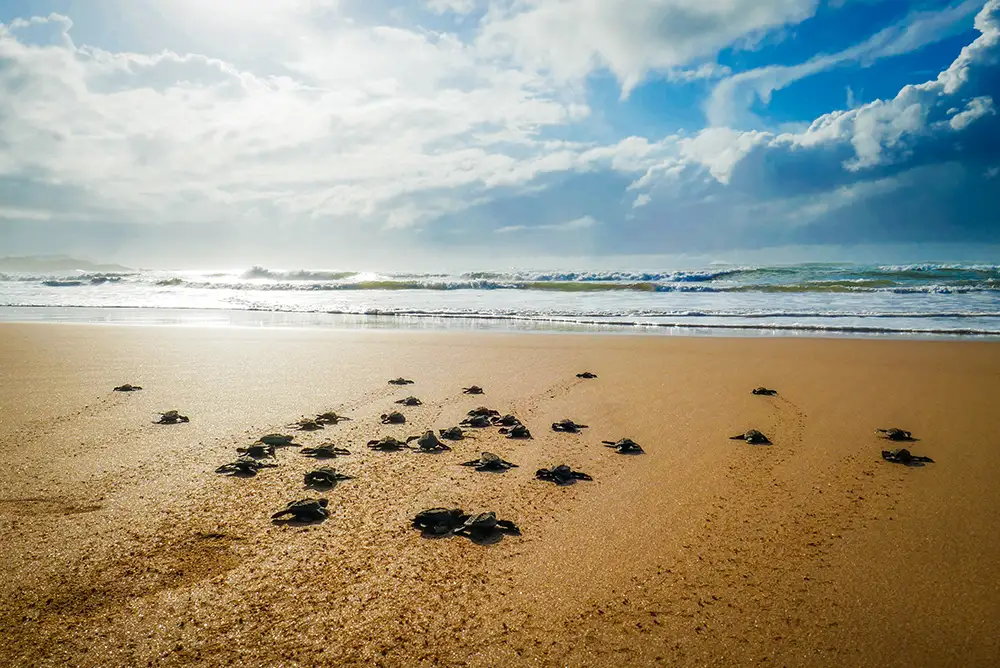
The beaches themselves remain undeveloped by mandate. No permanent lighting reaches the sand, and the mangrove estuary that separates Tamarindo's hotels from Playa Grande ensures a dark corridor free from the disorientation that artificial glow causes hatchlings. Guides carry red LED torches, invisible to turtle vision, and instruct visitors to remain ten meters behind nesting females until egg-laying begins and the trance of oviposition renders the animal oblivious to human presence. Hatchling releases, once a tourist attraction, are now prohibited; eggs relocated from vulnerable zones are reburied in hatcheries and allowed to emerge naturally at dawn, when fledgling turtles navigate to the ocean using the horizon's light gradient. The knowledge that these same animals, if they survive to adulthood, will return to nest on this exact beach in twenty-five years lends the encounter a temporal weight unique among wildlife experiences.
Conservation fees collected from guided turtle watching tour Tamarindo programs fund beach patrols, anti-poaching enforcement, and satellite telemetry studies tracking post-nesting migrations across the Pacific. Leatherbacks tagged at Playa Grande have been recorded diving to 1,200 meters off the Galápagos and foraging in the cold upwellings near Peru, journeys of 8,000 kilometers undertaken on reserves of fat accumulated in Costa Rican waters. The tours themselves are structured as citizen-science opportunities, with guides recording nest GPS coordinates, clutch counts, and carapace measurements in real-time databases shared with international research networks.

"Leatherback sea turtles have nested on these shores for more than 100 million years, outliving the dinosaurs and traversing routes that predate the Panama land bridge."
A step-by-step walkthrough of Tamarindo Turtle tickets — what you'll see, how long each stage takes, and the details that matter.
You meet your naturalist guide at the ranger station near Playa Grande just before sunset, red-filtered headlamp already clipped to your belt and group briefing underway.
The walk to the beach follows a boardwalk through dry coastal forest, howler monkeys settling into the canopy overhead as the last light drains from the sky. Your guide checks a handheld radio for nesting reports from patrol scouts stationed along the three-kilometer arc of sand, then leads your group of twelve down to the tide line, where bioluminescent plankton spark green under each footfall.
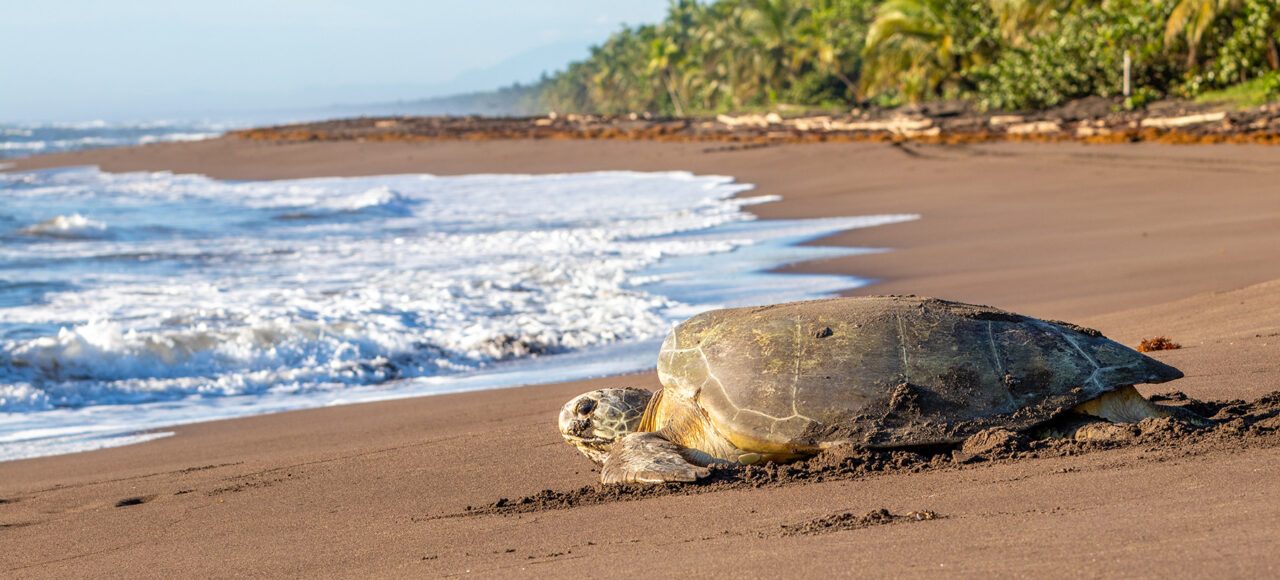
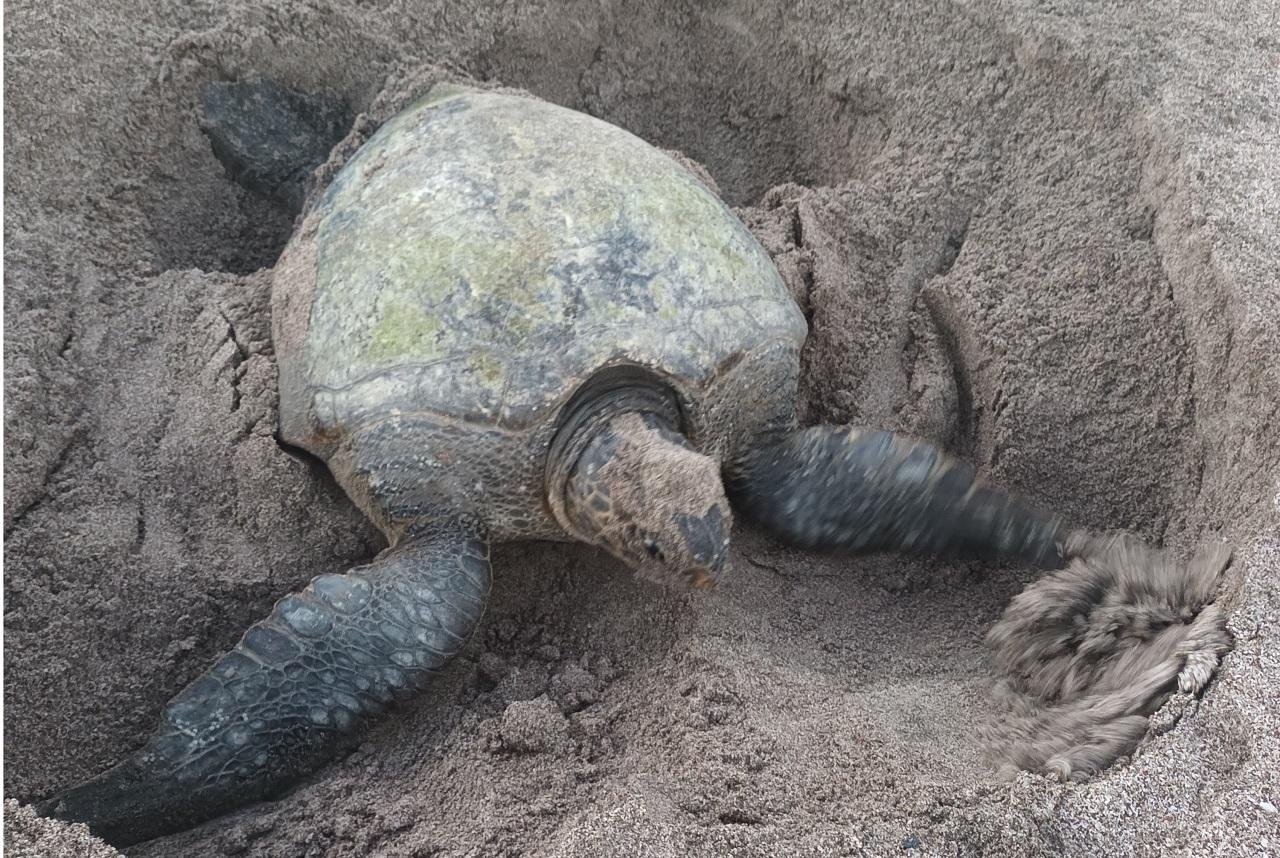
You wait in darkness, seated on driftwood, while scouts signal from the north — a leatherback has begun her climb. The approach is slow and silent. You crouch fifteen meters behind a massive female, her teardrop carapace slick with seawater, as she excavates a flask-shaped chamber with alternating scoops of her rear flippers. When the first translucent eggs begin to drop, your guide waves you closer. You kneel at the edge of the nest, close enough to count the soft spheres accumulating in the pit, eighty or more, each the size of a billiard ball. The turtle's eyes stream mucus to expel salt; your guide explains that she is not in distress, only executing a script encoded before mammals walked upright.
After she buries the clutch and begins her return crawl, you follow at a distance, watching her merge with the surf. The guide radios the nest coordinates to park headquarters, marks the site with a numbered stake, and records carapace scars from fishing-line entanglement. You return along the beach under a moonless sky, the only light the red glow of your lamp and the phosphorescent wake of breaking waves.
You can participate in these experiences at any time during the week as schedules are set by private operators. The beach is open 00:00–23:59 daily for permitted activities.
Entry to the public beach is 0 USD, but private tour services have their own operator-specific rates.
We recommend the 17:30–20:00 window for optimal timing during peak season.
The beach consists of soft sand, which may be challenging for those with limited mobility. Please consult with your operator regarding specific accessibility needs.
Flash photography is strictly prohibited as it disorients the animals. Use cameras that function well in very low light without artificial flash.
Yes, families are welcome, but children must be able to remain quiet and still. Check specific operator rules regarding age requirements.
Advance booking is highly recommended to secure a guide for your preferred date. Private tours for wildlife observation sell out during high season.
Bring a red-filtered flashlight, comfortable shoes, and insect repellent. Avoid bringing unnecessary bags or equipment.
The meeting location is in Tamarindo, Guanacaste Province, Costa Rica, usually at a designated beach access point provided upon booking.