Tamarindo Turtle Tours
Tours & tickets

Hand-picked by our editors — only the best 5 turtle hatching experiences from 18 reviewed.

Open today 06:00–18:00
Attendance: Moderate — August off-season
Nocturnal access requires official guided turtle hatching tamarindo tours.
Free cancellation Instant confirmation Mobile voucher Verified partner Book now, pay later
Tickets

Choose your ticket

Verified partners for every tour, free cancellation where available, and instant confirmation on every booking.

Evening Sea Turtle Nesting & Hatching Experience 4 hr
Standard Entry

Evening Sea Turtle Nesting & Hatching Experience

4.9 (16)
€56
per person
Instant Mobile voucher Flexible — change up to 24h

Watch ancient sea turtles nest or hatchlings race to the ocean on a remote Costa Rican beach

Reserve
Nighttime Sea Turtle Nesting Tour 4 hr
Standard Entry

Nighttime Sea Turtle Nesting Tour

€60
per person
Instant Mobile voucher Flexible — change up to 24h

Witness sea turtles laying eggs on a protected Costa Rican beach during this unforgettable nocturnal wildlife encounter.

Reserve

Prices from verified partners. Availability updates in real time at checkout. Free cancellation policies apply where shown.

What you'll do

Inside a tour, step by step

  1. 01 30 min

    Arrival

    Meet guide at the ranger station for orientation

Highlights

What you'll see inside the attraction

The landmarks, rooms, and views travelers on this tour remember — all visible on a single visit.

Playa Grande Nesting Site

Critical habitat where leatherback turtles return annually to lay eggs in the sand.

Tamarindo Estuary

A vital mangrove forest ecosystem serving as a nursery for diverse marine life.

Ranger Station

The central hub for park information, tour registration, and conservation education.

Head to head

Turtle Hatching Tamarindo vs Playa Flamingo Catamaran Tours: Selecting Your Experience

They complement each other, but most visitors who do both find the conservation-led sea turtle encounters more profound than the leisure-focused aquatic excursions. Travelers interested in booking a turtle hatching tamarindo tour should weigh the quiet observation against the social atmosphere of a sailing trip.

Feature Top pick Turtle Hatching Flamingo Catamaran
Primary Focus
Time of Day
Activity Intensity
Guided Interaction
Educational Content
Price

Verdict: Opt for turtle hatching tamarindo tickets if you prioritize rare biological encounters, or choose the catamaran if you prefer active marine leisure.

How your ticket works

Book your ticket in 3 steps

  1. 01

    Book online

    Choose your ticket, select your date, and reserve in under two minutes. Secure checkout handled by our verified partner.

  2. 02

    Receive your mobile voucher

    Instant confirmation by email, with a mobile voucher you can save offline. No printing, no queuing at a collection desk.

  3. 03

    Show & enter

    Arrive at the entrance, show your voucher on your phone, and walk in. Most tickets include priority or skip-the-line access.

Plan your visit

Everything you need to know before you go

Practical details for your visit straight from our verified partners — hours, access, rules, and how to get there.

Open today · 06:00–18:00
Opening Hours
06:00–18:00 daily
Address
Marino Las Baulas National Park, Playa Grande, Guanacaste, Costa Rica
Arrival Window
18:00–22:00 for guided turtle hatching tamarindo tours
Entrance Fee
12 USD per person
Storage
Not available at station
Info Phone
+506 2653 0470
Mon
06:00–18:00
Tue
06:00–18:00
Wed
06:00–18:00
Thu
06:00–18:00
Fri
06:00–18:00
Sat
06:00–18:00
Sun
06:00–18:00
Closed on: Oct 20–Feb 15 (Turtle nesting/hatching season regulations)
Main entrance

MINAE Ranger Station

Playa Grande, Guanacaste

Main check-in for turtle hatching tamarindo tours

Address
Marino Las Baulas National Park, Playa Grande, Guanacaste, Costa Rica
Storage
Not available at station
Info Phone
+506 2653 0470

How to get there

🚗
Car · 40 min · None

Follow signs from Tamarindo to Playa Grande through Matapalo

Dress code

Wear dark-colored, long-sleeved shirts and long pants to blend into the environment and protect against insects. Avoid bright clothing that may distract nesting turtles during your turtle hatching tamarindo experience.

Bags & security

Large bags are discouraged as they are cumbersome on the sand. All visitors must undergo a check at the ranger station before accessing the beach for turtle hatching tamarindo activities.

Photography

Flash photography is strictly prohibited as it disorients the hatchlings and nesting mothers. Professional photographers require a special permit to capture any turtle hatching tamarindo footage.

Accessibility

The beach terrain is sandy and uneven, making it difficult for strollers or wheelchairs. Travelers should possess a moderate level of physical fitness to participate in late-night turtle hatching tamarindo tours.

What to bring

  • Reusable water bottle
  • Insect repellent
  • Long pants
  • Dark clothing
  • Comfortable walking shoes
  • Valid ID

Not allowed

  • Flashlights
  • Camera flash
  • Bright clothing
  • Alcohol
  • Food
  • Large backpacks
  • Tobacco
  • Speakers
  • Drones
  • Pets

Families & strollers

Families are welcome, though children must remain quiet and under strict supervision. The late-night nature of a turtle hatching tamarindo tour may be challenging for younger children.

Food & drink

No food or drinks are allowed on the beach to prevent littering. Carry only water in reusable containers, adhering to all park conservation guidelines.

Meeting point

Where to find us

MINAE Ranger Station

Playa Grande, Guanacaste

Main check-in for turtle hatching tamarindo tours

Get directions
Around your visit

Everything else worth knowing

Best time to go, insider tips, nearby landmarks, and the cancellation fine print — flip through to skim what matters to you.

Best time to visit

How crowds, weather, and events shift across the year.

October–February

Peak season for leatherback nesting and hatching activities.

Helpful tips for your visit

Small details that turn a good visit into a great one.

Book in advance

Tours fill up quickly during peak season, so secure your spot early through certified operators.

Nearby landmarks

Non-bookable sights within a short walk — free to visit, easy to pair.

Tamarindo Estuary

15 min

Famous mangrove forest accessible via boat or kayak tours.

Cancellation policy

Flexible, no hidden fees.

Full refunds are typically available if you cancel your turtle hatching tamarindo tour at least 24 hours before the scheduled departure time. Please check your specific operator's terms regarding the 12 USD park entrance fee.

Where to stay

Hotels & districts near the attraction

Hand-picked options within walking distance — pick a district for vibe, or a specific hotel for convenience.

Playa Grande Hotels

5 min
Boutique

Range of sustainable lodges near the park entrance.

About

The place, in context

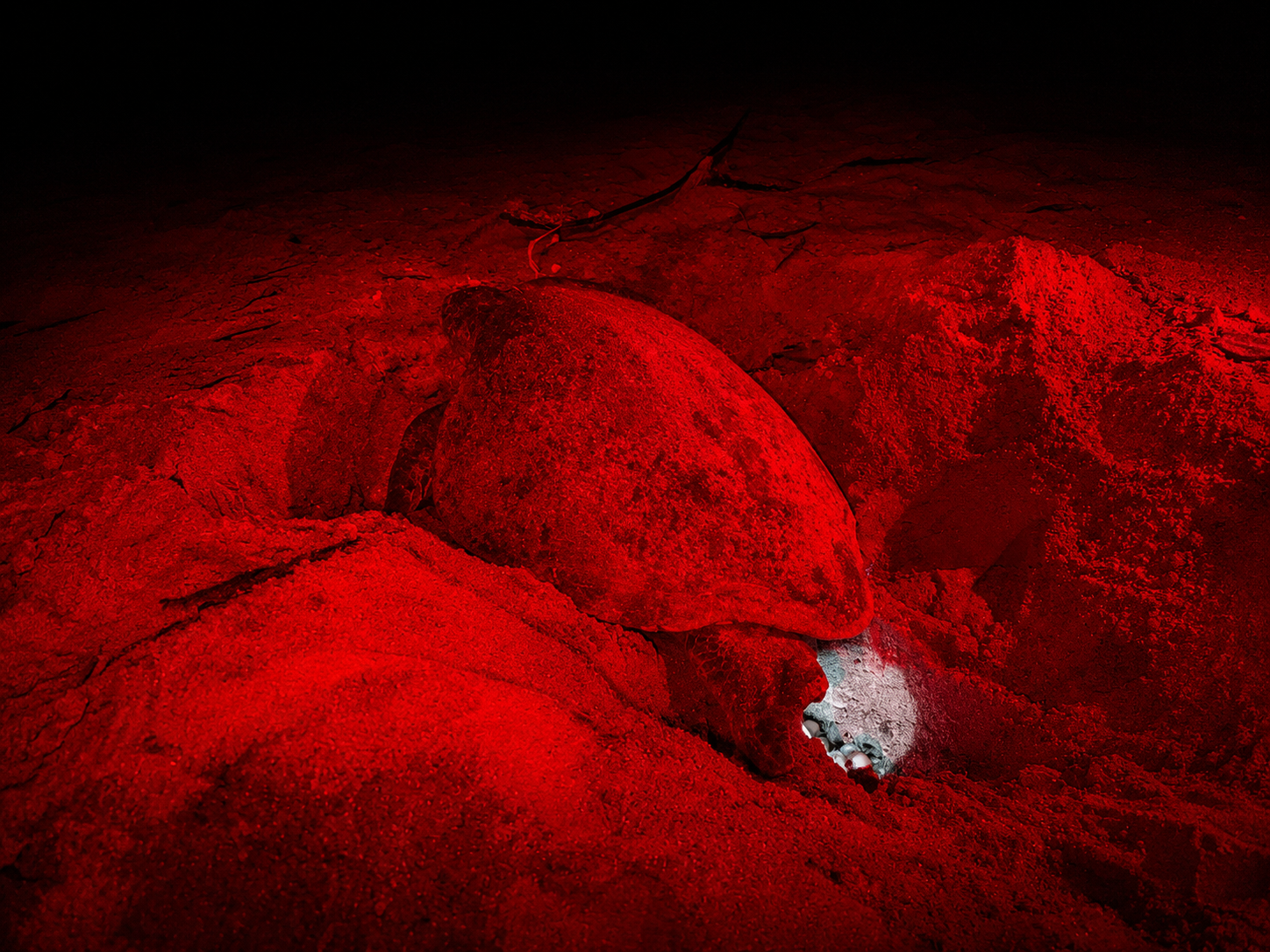
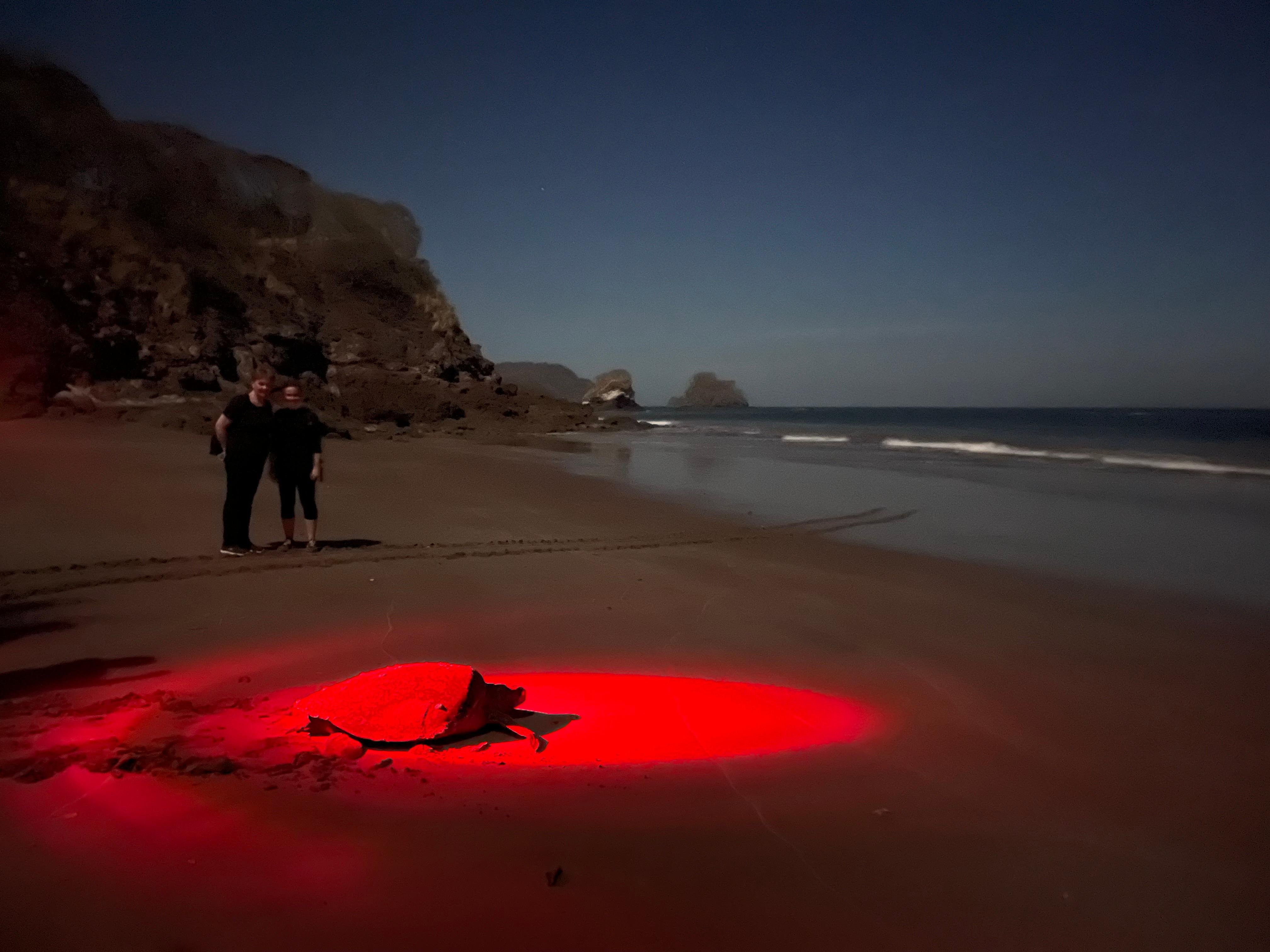
Leatherback sea turtles arrive at Playa Grande between October and March, excavating nests within metres of the high-tide line under cover of darkness. The beach forms the heart of Marino Las Baulas National Park, established in 1991 to protect one of the Pacific coast's last major leatherback nesting sites. Adult females return every two to three years, each depositing 80 to 100 eggs per clutch. Incubation lasts 60 days. Hatchlings emerge en masse, typically at night, and orient by moonlight toward the surf. Turtle hatching Tamarindo tours operate under strict protocols managed by Costa Rica's National System of Conservation Areas. Group sizes are capped at 15. Red-filtered torches are mandatory; white light disorients hatchlings and disrupts adult nesting behaviour. Guides trained in marine biology lead all beach access. The park enforces a no-photography rule during active nesting and hatching events to minimize disturbance. Visitors walk single file along designated corridors, pausing when a female begins to lay or when a boil—the simultaneous emergence of dozens of hatchlings—is detected. Olive ridley turtles also nest at Playa Grande, though in smaller numbers and outside the leatherback peak season. The species nests year-round along Guanacaste's coastline, with sporadic arribadas—mass nesting events—occurring further north at Ostional. Playa Grande's geographic position, flanked by estuarine mangroves and offshore rocky reefs, creates a nutrient corridor that supports both nesting adults and foraging juveniles. Conservation efforts at Marino Las Baulas have documented a 90 percent decline in leatherback nesting activity since the 1980s, attributed to longline bycatch, plastic ingestion, and coastal development. The park's night-watch program channels tourism revenue directly into patrol operations, nest monitoring, and hatchery protection. Each ticket purchased funds beach surveys and anti-poaching patrols during the nesting window. Hatchling survival rates from protected nests exceed 70 percent, compared to 20 percent in unmonitored zones.

"Hatchlings emerge en masse, typically at night, and orient by moonlight toward the surf."
Your experience

What a tour day looks like

A step-by-step walkthrough of the visit — what you'll see, how long each stage takes, and the details that matter.

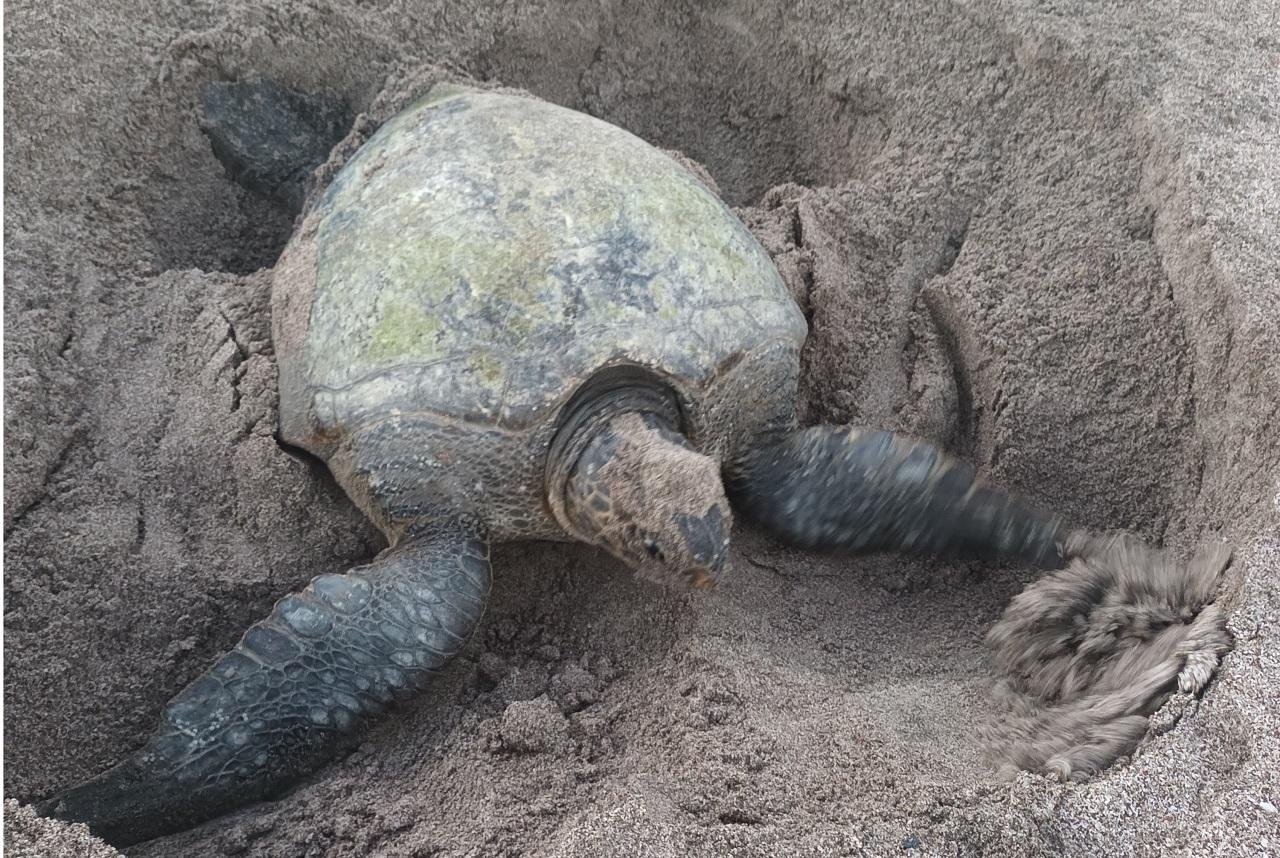
You meet your naturalist guide at the park entrance on Playa Grande at dusk, exchanging tickets for red-filtered headlamps and a briefing on approach protocols. The group enters the beach in darkness, walking north along the compacted sand corridor between dune vegetation and the tide line. Your guide pauses every 50 metres to scan for fresh crawl tracks—the symmetrical flipper marks left by nesting females. When a leatherback is located, you approach slowly from behind, remaining silent as she excavates her egg chamber with powerful rear flippers. The deposition phase lasts 10 to 15 minutes. You kneel two metres away, red light angled low, watching spherical eggs drop in clusters. Once the female begins covering the nest, your guide signals the group to move on, allowing her to return to the surf undisturbed. If a hatchling boil is detected—tiny flippers churning through sand as dozens emerge simultaneously—you form a protective corridor between the nest and the waterline. Hatchlings scramble toward the brightest horizon, instinctively correcting course when waves break. Frigatebirds and ghost crabs patrol the upper beach; your presence deters predation during the critical crawl. The entire crossing takes three to five minutes. You watch the last hatchling tumble into the foam, then retreat inland as the tide erases all trace of the event.

Frequently asked

Frequently asked questions about turtle hatching tamarindo tours

What are the opening hours for the park?

The park is open daily from 06:00 to 18:00 for general access, but turtle tours occur nocturnally.

Is there a fee for turtle hatching tamarindo tickets?

Yes, the entrance fee is 12 USD per person, often bundled into the cost of authorized turtle hatching tamarindo tours.

When is the best time for turtle hatching tamarindo?

The primary window for nesting and hatching is from October to February.

Are flashlights allowed on the beach?

No, flashlights and any bright light sources are prohibited to protect the turtles during the turtle hatching tamarindo observation.

Can I book a private turtle hatching tamarindo tour?

Yes, through licensed local operators in Tamarindo who follow strict conservation protocols.

Is the park accessible for families?

Yes, but please note the late hours of turtle hatching tamarindo tours may not be suitable for all children.

What is the cancellation policy?

Cancel at least 24 hours before your turtle hatching tamarindo tour to receive a full refund.

Do I need to arrive at 18:00?

It is recommended to arrive between 18:00 and 22:00 for the start of nighttime turtle hatching tamarindo activities.

What should I wear for a turtle hatching tamarindo tour?

Wear dark, long clothing to minimize your presence during the turtle hatching tamarindo excursion.

Are there other things to see nearby?

Yes, the Tamarindo Estuary is a significant natural attraction located within the park.