Tamarindo Turtle Tours
Tours & tickets

Hand-picked by our editors — only the best 5 turtle nesting experiences from 14 reviewed.

Open today 06:00–18:00
Attendance: Moderate — summer off-season
Turtle nesting tamarindo season is currently inactive; visit during peak season (Oct–Mar).
Free cancellation Instant confirmation Mobile voucher Verified partner Book now, pay later
Tickets

Choose your ticket

Verified partners for every tour, free cancellation where available, and instant confirmation on every booking.

Secluded Beach Turtle Nesting & Hatching Tour 4 hr
Standard Entry

Secluded Beach Turtle Nesting & Hatching Tour

4.9 (16)
€56
per person
Instant Mobile voucher Flexible — change up to 24h

Watch sea turtles nest or hatch on a quiet Costa Rican beach during a guided evening wildlife adventure

Reserve
Nighttime Sea Turtle Nesting Tour 4 hr
Standard Entry

Nighttime Sea Turtle Nesting Tour

€60
per person
Instant Mobile voucher Flexible — change up to 24h

Witness one of nature's most remarkable events as sea turtles come ashore to lay their eggs on protected Costa Rican beaches.

Reserve

Prices from verified partners. Availability updates in real time at checkout. Free cancellation policies apply where shown.

Highlights

What you'll see inside the attraction

The landmarks, rooms, and views travelers on this tour remember — all visible on a single visit.

Playa Grande Nesting Zone

The primary nesting beach for leatherback turtles within Las Baulas National Marine Park. It is the most vital site in the region for these giants.

Tamarindo Estuary

A vast mangrove forest ecosystem that serves as a nursery for many marine species. Kayak tours are available here during daylight hours.

Playa Langosta

A secondary beach sector known for its natural beauty and quieter atmosphere compared to the main town area.

Playa Ventanas

A smaller beach within the park boundaries often quieter than the main sections. This beach is a secondary site for turtle activity.

MINAE Research Station

The administrative hub where conservation efforts and research data on the leatherback population are managed.

Head to head

Las Baulas vs Ostional for Turtle Nesting Tamarindo Experiences

They complement each other; most visitors who do both find the mass arrivals at Ostional more exhilarating, while the controlled walks at Las Baulas provide a more intimate coastal observation.

Feature Top pick Las Baulas Ostional
Nesting Type
Mass arrival (Arribada)
Primary Season
July–December
Park Regulation Level
Moderate access zones
Crowd Density
High (during peak events)
Accessibility from Tamarindo
Extended 2.5-hour drive

Verdict: Choose turtle nesting tamarindo tours if you prefer quiet beach conservation efforts, or opt for Ostional when seeking the unique spectacle of thousands of turtles arriving at once to secure your turtle nesting tamarindo tickets in advance.

How your ticket works

Book your ticket in 3 steps

  1. 01

    Book online

    Choose your ticket, select your date, and reserve in under two minutes. Secure checkout handled by our verified partner.

  2. 02

    Receive your mobile voucher

    Instant confirmation by email, with a mobile voucher you can save offline. No printing, no queuing at a collection desk.

  3. 03

    Show & enter

    Arrive at the entrance, show your voucher on your phone, and walk in. Most tickets include priority or skip-the-line access.

Plan your visit

Everything you need to know before you go

Practical details for your visit straight from our verified partners — hours, access, rules, and how to get there.

Open today · 06:00–18:00
Opening hours
06:00–18:00 daily
Address
Las Baulas National Marine Park, Playa Grande, Guanacaste, Costa Rica
Guided access
Required during peak season (Oct–Mar) for turtle nesting tamarindo
Best arrival window
18:00–23:59 for turtle nesting tamarindo tours
Storage
Not available at park entrances
Entrance fee
12 USD (Park entrance fee, per person)
Mon
06:00–18:00
Tue
06:00–18:00
Wed
06:00–18:00
Thu
06:00–18:00
Fri
06:00–18:00
Sat
06:00–18:00
Sun
06:00–18:00
Location

Address
Las Baulas National Marine Park, Playa Grande, Guanacaste, Costa Rica
Storage
Not available at park entrances
Entrance fee
12 USD (Park entrance fee, per person)

Dress code

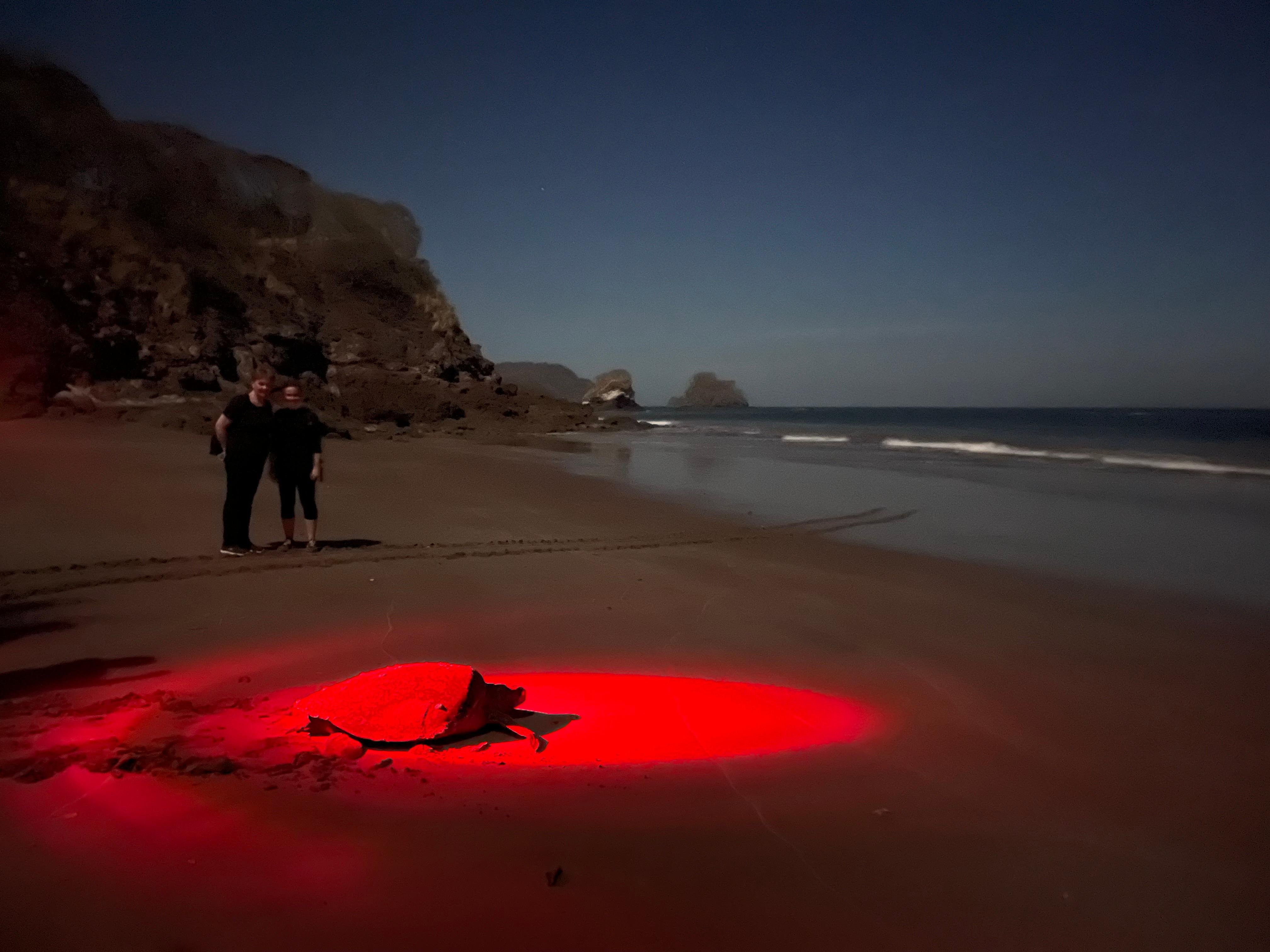
Wear dark-colored clothing and long pants to blend into the environment and protect against mosquitoes during turtle nesting tamarindo tours. Bright colors and white clothing are discouraged to avoid distracting the nesting turtles.

Bags & security

Large bags are discouraged as you will be walking on sand. Security is managed by MINAE rangers who enforce strict protocols for all turtle nesting tamarindo experiences.

Photography

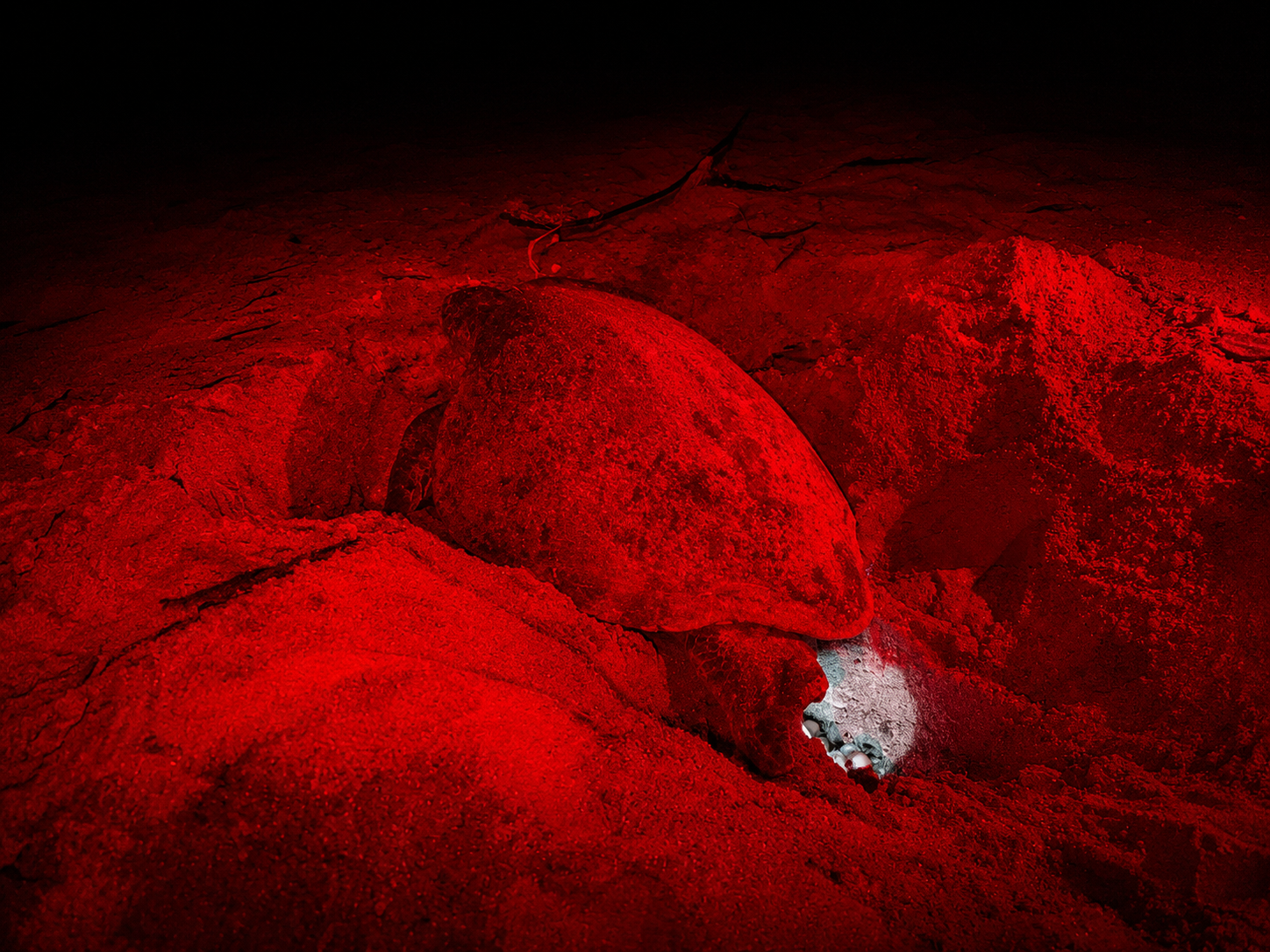
Flash photography is strictly prohibited during any turtle nesting tamarindo tour. Use only red-light permitted equipment provided by your certified guide to ensure the safety of the nesting leatherback turtles.

Accessibility

The beach terrain is sandy and uneven, making it difficult for those with limited mobility. Please discuss specific requirements with your guide before booking your turtle nesting tamarindo tickets.

What to bring

  • Dark long-sleeve shirt
  • Long pants
  • Sturdy walking shoes
  • Reusable water bottle
  • Red-light headlamp
  • Personal identification

Not allowed

  • Flashlights
  • Flash cameras
  • Food
  • Alcohol
  • Smoking
  • Loud electronics
  • Drones
  • Pets
  • Insect repellent spray
  • Beach chairs
  • Glass bottles

Families & strollers

Families are welcome, though children under 5 years of age are often prohibited from joining nighttime turtle nesting tamarindo tours due to the requirement for absolute silence.

Food & drink

No food or drinks are allowed on the beach during night tours to prevent littering. Carry your own water in reusable containers while exploring nearby Tamarindo landmarks.

Around your visit

Everything else worth knowing

Best time to go, insider tips, nearby landmarks, and the cancellation fine print — flip through to skim what matters to you.

Cancellation policy

Flexible, no hidden fees.

Cancellations for turtle nesting tamarindo tour bookings must be made at least 24 hours in advance for a refund. Entrance fees of 12 USD are typically non-refundable once processed by the park authorities.

About

The place, in context

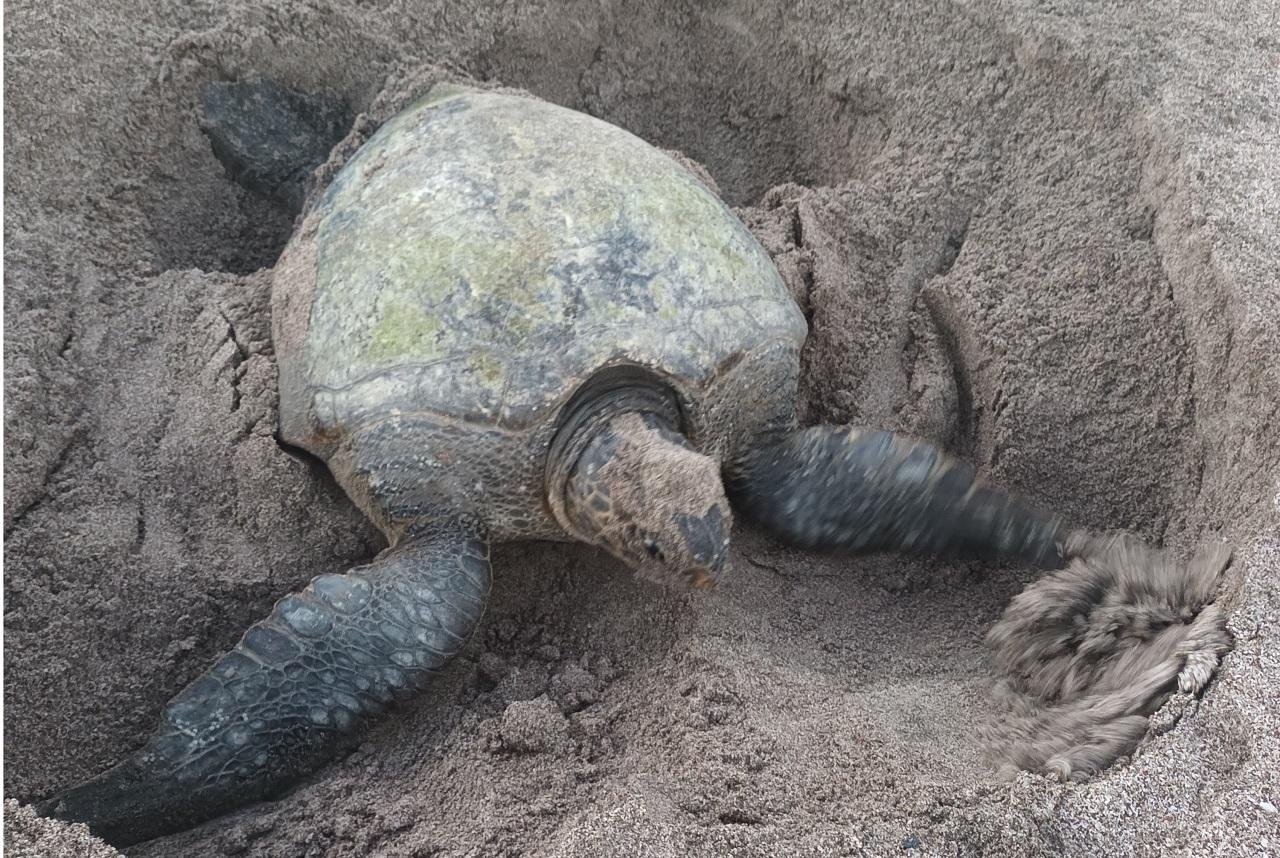
Las Baulas National Marine Park protects 445 hectares of Pacific coastline where leatherback turtles — *Dermochelys coriacea* — have nested for millennia, their arrival window stretching from October through March when warmer currents bring plankton blooms offshore. The park was established in 1991 after biologists documented catastrophic declines across the eastern Pacific population, with nesting females dropping from an estimated 1,500 in the late 1980s to fewer than 100 by the early 2000s. Playa Grande, the park's anchor beach, remains one of the last significant leatherback rookeries in the Americas, though numbers continue to fluctuate with El Niño cycles and illegal take in distant foraging grounds. Leatherbacks are the largest living turtles, averaging 400 kilograms and measuring two meters in carapace length, and their nesting ritual follows a pattern older than the isthmus itself. Females haul themselves above the high-tide line, excavate a flask-shaped chamber with their hind flippers, deposit 80 to 100 soft-shelled eggs, then camouflage the site before returning to the surf. The entire process spans two hours. Peak nesting occurs between midnight and 3:00 AM, though early arrivals begin around sunset. Artificial light from coastal development has historically disoriented hatchlings, prompting strict dark-sky ordinances across the buffer zone; Tamarindo's beachfront now operates under red-filtered lighting during nesting months. Turtle nesting Tamarindo tours operate under mandatory guide protocols enforced by park rangers, with group sizes capped at fifteen and approach distances regulated to minimize disturbance. Guides monitor radio frequencies linked to patrol units stationed along the seven-kilometer beach; when a nesting female is confirmed beyond the vulnerable crawl phase, groups are escorted to observation points. No flash photography is permitted, and red-lens headlamps are distributed at the trailhead. The park entrance fee — twelve dollars per visitor — funds beach patrols, hatchery operations, and community education programs that have reduced poaching incidents by 90 percent since 2010. Conservation outcomes hinge on international cooperation; leatherbacks tagged at Playa Grande have been tracked foraging off the coasts of Chile, Peru, and the Galápagos, underscoring the migratory distances these animals traverse. The park's research station maintains a photo-identification database spanning three decades, allowing scientists to track individual females across nesting seasons and correlate reproductive success with ocean temperature anomalies. Volunteer programs recruit seasonal monitors who patrol nightly, recording clutch counts and tagging new arrivals, work that has generated peer-reviewed data cited in IUCN assessments and regional management plans.

"Leatherbacks haul themselves above the high-tide line, excavate a flask-shaped chamber with their hind flippers, then camouflage the site before returning to the surf."
Your experience

What a tour day looks like

A step-by-step walkthrough of the visit — what you'll see, how long each stage takes, and the details that matter.

You meet your naturalist guide at the Las Baulas ranger station as dusk settles over Playa Grande, the park's main access point six kilometers north of Tamarindo center. Red-filtered headlamps are distributed and the group receives a briefing on approach protocol — no sudden movements, voices kept low, cameras stowed. The walk to the staging area follows a sand trail flanked by coconut palms and coastal scrub, the surf audible but not yet visible. Your guide monitors a handheld radio; patrol units stationed along the beach report turtle activity in real time. When a nesting female is confirmed past the vulnerable crawl phase, the group moves quietly to the observation zone, maintaining the fifteen-meter buffer mandated by park regulations. You watch as the leatherback, her carapace slick with seawater, digs the egg chamber with methodical rear-flipper strokes, then begins laying — a two-hour process during which she enters a trance-like state, oblivious to the surrounding presence. The eggs drop in clusters, soft and translucent in the red glow of permitted lighting. Once the clutch is complete, she camouflages the nest with sweeping motions, scattering sand in wide arcs, before pivoting toward the waterline and disappearing into the Pacific. The return walk is silent, the weight of the encounter settling as you cross back through the mangrove buffer to the trailhead.

Frequently asked

Frequently asked questions about turtle nesting tamarindo tours

When is the best time for turtle nesting tamarindo tours?

The best arrival window for viewing is 18:00–23:59 during the peak season.

Do I need to pay an entrance fee for turtle nesting tamarindo?

Yes, the park entrance fee is 12 USD per person.

Can I go on a turtle nesting tamarindo tour alone?

No, all turtle nesting tamarindo experiences require a certified guide to protect the habitat.

What is the turtle nesting tamarindo season?

Nesting occurs annually from October through March.

Are children allowed on turtle nesting tamarindo tickets?

Children under 5 are often restricted, while others require adult supervision on all turtle nesting tamarindo tours.

Can I take photos during a turtle nesting tamarindo tour?

No flash photography is allowed, but guides often provide safe, red-light lighting for turtle nesting tamarindo observation.

Is the Las Baulas National Marine Park open all day?

Yes, the park is open 06:00–18:00, but beach access for nesting is strictly regulated after sunset.

How do I book a turtle nesting tamarindo tour?

You can book directly via registered tour operators in Tamarindo or at the park's administrative offices.

What should I wear for turtle nesting tamarindo?

Wear dark-colored long pants and shirts to avoid disturbing the leatherback turtles.

Are there other attractions near the turtle nesting tamarindo sites?

Yes, visitors often combine their trip with Tamarindo Estuary mangrove tours or surfing at Playa Langosta.